
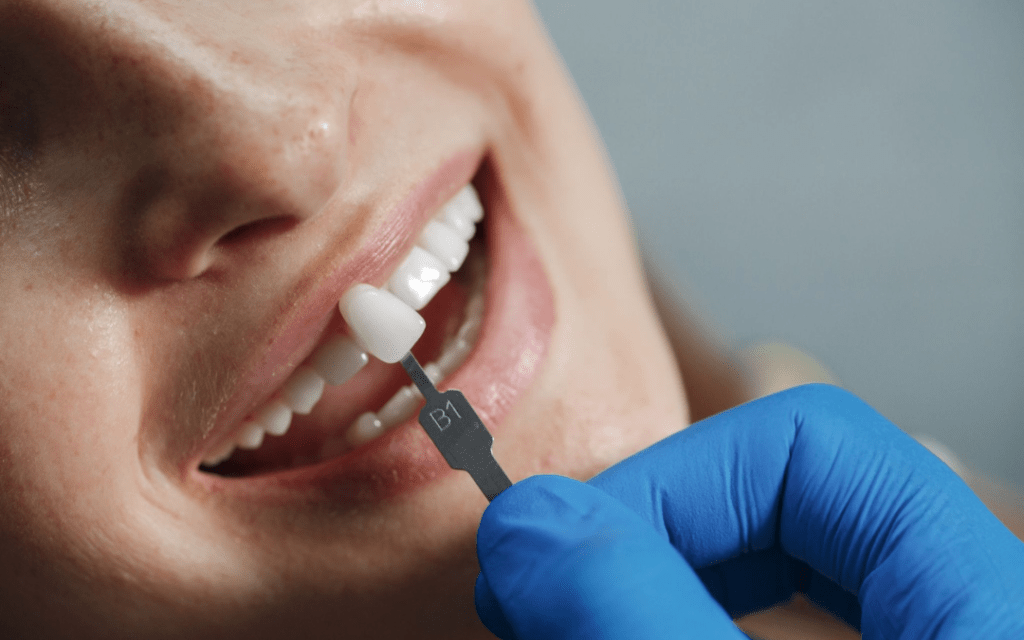
That moment when your dentist recommends a crown can leave you with questions. If you are wondering what is a dental crown, you are not alone. A dental crown is a custom-fitted, tooth-shaped cap that fully encases a damaged, decayed, or weak tooth to restore its shape, size, strength, and appearance. Whether you need a crown for damaged tooth repair, protection after a root canal, or cosmetic improvement, understanding your options helps you make confident decisions about your dental crown treatment. This guide explains how dental crowns works, the different types available, what to expect during the tooth crown procedure, and how to care for your restoration for lasting results.
A dental crown, sometimes called a dental cap, is a prosthetic restoration designed to cover and protect a compromised tooth. Unlike filling that repairs a small portion of a tooth, a crown encases the entire visible portion above the gum line. This comprehensive coverage restores function for chewing, protects against further damage, and enhances the appearance of your smile.
Understanding how dental crowns works is straightforward. The crown acts as a strong, durable shell that bonds to your prepared tooth. It distributes biting forces evenly, prevents fracture of weakened tooth structure, and seals out bacteria that could cause new decay. For patients asking about dental cap vs crown difference, the terms are often used interchangeably, though “crown” is the professional term preferred by dentists.
Knowing when you need a dental crown helps you recognize when this treatment is right for you. Common indications include:
If you are asking if I need a dental crown, only a dental professional can make this determination after examining your tooth, reviewing X-rays, and discussing your goals. Delaying a recommended crown can lead to further damage, pain, or tooth loss.
Selecting the right crown material balances aesthetics, durability, budget, and tooth location. If you are comparing types of dental crowns and cost, this reference table outlines the most common options, their benefits, ideal uses, and estimated price ranges in India.
Crown Type | Key Benefits | Best For | Estimated Cost in India (per crown) |
All-Ceramic/ Porcelain | Most natural, tooth-colored appearance; metal-free; biocompatible | Front teeth, visible areas, patients with metal allergies | ₹8,000 – ₹25,000 |
Porcelain-Fused-to-Metal (PFM) | Strong metal base with aesthetic porcelain exterior; proven long-term performance | Both front and back teeth; good balance of strength and appearance | ₹6,000 – ₹20,000 |
Metal/Gold Alloys | Extremely durable; minimal tooth removal; gentle on opposing teeth | Back molars, patients who grind teeth, non-visible areas | ₹10,000 – ₹30,000+ (varies by gold content) |
Zirconia | High strength + excellent aesthetics; metal-free; resistant to chipping | Back teeth, patients seeking durability without metal; bruxism cases | ₹12,000 – ₹35,000 |
All-Resin (Temporary) | Lowest cost; quick fabrication | Short-term use while permanent crown is made; budget-limited situations | ₹2,000 – ₹5,000 |
Important considerations for dental crown treatment cost in India:
Understanding the dental crown procedure step by step reduces anxiety and helps you prepare. The permanent dental crown procedure typically requires two visits spaced 7 to 10 days apart, though same day dental crown procedure options using CAD/CAM technology are available at some clinics.
First Visit: Preparation and Impressions
Between Visits: Wear the temporary crown carefully. Avoid sticky or hard foods on that side, and brush gently. Contact your dentist if the temporary loosens or falls off.
Second Visit: Fitting and Cementation
If you are wondering how long does a crown procedure take, plan for 60 to 90 minutes per visit. The entire process from preparation to final placement typically spans 10 to 14 days.
A common question is how long does a dental crown last. On average, dental crowns last between 5 and 15 years. However, with excellent oral hygiene, regular dental checkups, and protective habits, many crowns function well for 20 years or longer. Some well-maintained crowns have been reported to last 40 to 60 years.
How to care for dental crown for maximum lifespan:
Common reasons for crown replacement include chipping of porcelain, loosening of cement, or new decay developing underneath the crown margin. Consistent care significantly reduces these risks.
Patients often have practical concerns about crown treatment. Addressing these upfront supports informed decision-making.
The procedure itself is comfortable due to local anesthesia. You may experience mild sensitivity or gum soreness for a few days after placement, manageable with over-the-counter pain relief. Significant or persistent pain should be reported to your dentist.
While uncommon with proper cementation, crowns can loosen due to trauma, decay underneath, or cement failure over time. If your crown feels loose or falls off, save it, avoid chewing on that side, and contact your dentist promptly. Do not attempt to re-cement it yourself.
Postponing a recommended crown leaves a vulnerable tooth at risk. Without protection, a weakened tooth may fracture, develop new decay, or require extraction. Timely treatment preserves your natural tooth and avoids more complex procedures later.
Some clinics offer CAD/CAM technology that designs and mills crowns in-office, allowing completion in a single visit. This option is ideal for patients with tight schedules, though material choices may be more limited than laboratory-fabricated crowns. Ask your dentist if same-day service is appropriate for your case.
Choosing a dental crown offers multiple dental crown benefits that support both oral health and confidence:
For patients weighing options for a crown for damaged tooth repair, these benefits often make crowns the most conservative and effective choice compared to extraction and replacement.
If you have been told you need a crown or are experiencing symptoms that suggest you might, timely evaluation is key. A dental crown is a proven, versatile solution for restoring damaged teeth while preserving your natural smile. Understanding the types, procedure, and aftercare empowers you to move forward with confidence.
At Orosmyle Dental Clinic, our experienced team specializes in personalized crown treatment that balances aesthetics, function, and longevity. We use high-quality dental crown materials and modern techniques to ensure comfortable, precise results. Whether you are exploring dental crown treatment costs in India, seeking a second opinion, or ready to schedule your procedure, we are here to guide you every step of the way. Contact Orosmyle Dental Clinic today to book your consultation and take the first step toward a stronger, healthier, more confident smile.
A dental crown is a cap that is placed over a damaged or weakened tooth to restore its shape, strength, and appearance. It covers the entire visible part of the tooth and helps it function like normal again.
You may need a crown if your tooth is badly decayed, cracked, worn down, or after a root canal treatment. It’s also used to improve the look of a discolored or misshapen tooth.
Most people don’t find it painful. The procedure is done under local anesthesia, so you won’t feel pain during treatment. You might have slight sensitivity afterward, but it usually settles within a few days.
On average, a dental crown can last anywhere from 10 to 15 years, or even longer with good care. The lifespan depends on the material used and your oral hygiene habits.
There are several types, including metal crowns, porcelain-fused-to-metal (PFM), ceramic or porcelain crowns, and zirconia crowns. Each has its own benefits depending on strength, appearance, and budget.
Typically, it takes two visits—one to prepare the tooth and another to place the final crown. However, some clinics offer same-day crowns using advanced technology.
Yes, although it’s not very common. Crowns can come loose due to cement failure, decay under the crown, or excessive force like teeth grinding. If it happens, you should visit your dentist as soon as possible.
Caring for a crown is similar to caring for natural teeth, brush twice daily, floss regularly, and avoid biting very hard objects. Regular dental checkups also help extend its life.
It depends on the condition of your tooth. Fillings are suitable for small cavities, while crowns are better for teeth that are heavily damaged or weakened and need full coverage.
The cost can vary depending on the type of crown and clinic. Generally, it ranges from affordable metal crowns, ceramic crowns to more expensive zirconia crowns, which offer better aesthetics.
Book your online appointment easily and at your convenience.Experience professional teeth whitening that is safe and effective.Enjoy a brighter, healthier smile with expert dental care.